


1. Which of these pictures portray Palestinian reality?
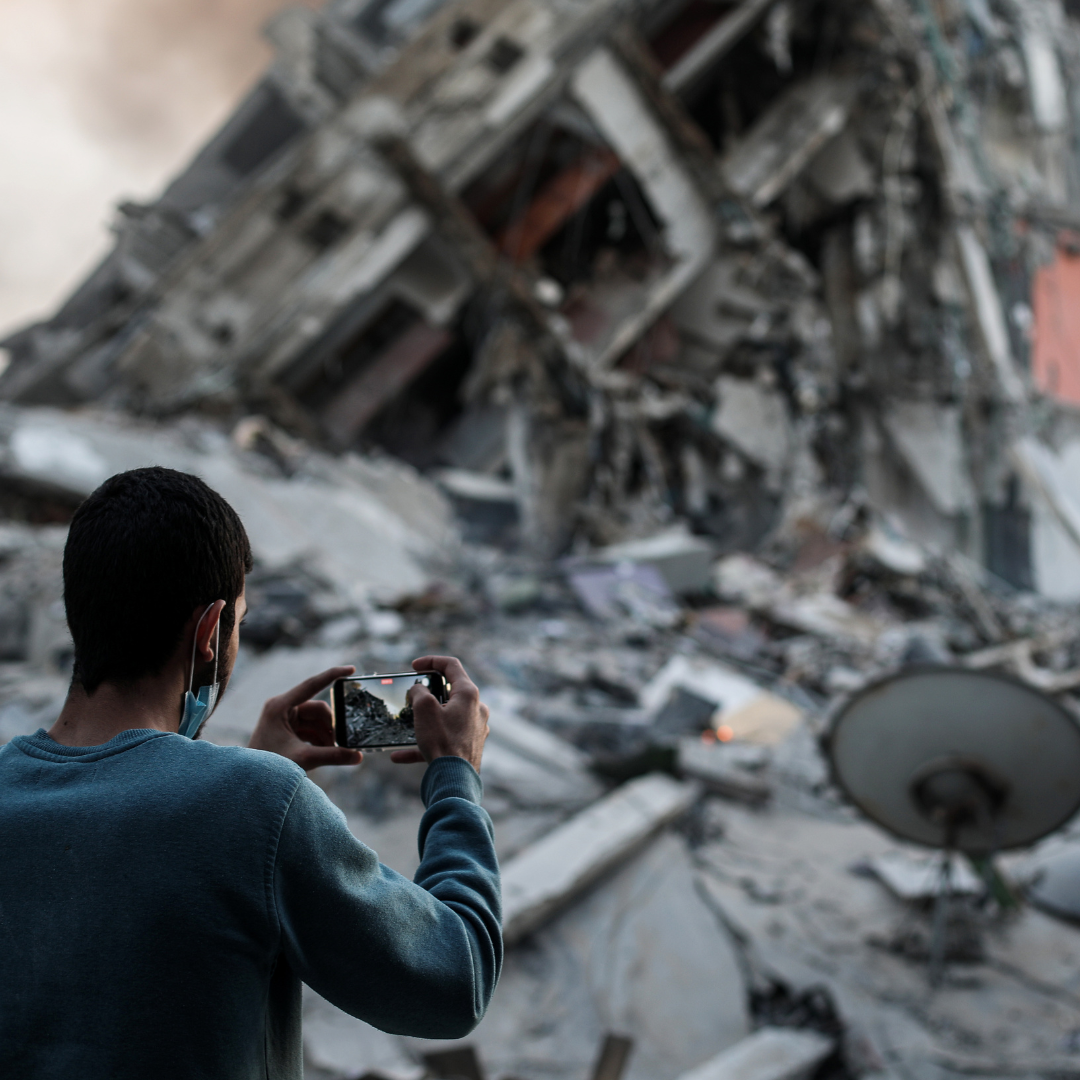

Yes, but…
All these pictures are real and portray Palestinians. Yet, the photographer (and sometimes the people photographed) choose what to highlight—an angle, a setting, a moment. When these are taken out of context or singled out, they can reinforce stereotypes and construct reductive and dehumanising views of who Palestinians are.
👉 Explore more on stereotyping and ethical visualisation.

Yes, but…
All these pictures are real and portray Palestinians. Yet, the photographer (and sometimes the people photographed) choose what to highlight—an angle, a setting, a moment. When these are taken out of context or singled out, they can reinforce stereotypes and construct reductive and dehumanising views of who Palestinians are.
👉 Explore more on stereotyping and ethical visualisation.
.png)
Yes, but…
All these pictures are real and portray Palestinians. Yet, the photographer (and sometimes the people photographed) choose what to highlight—an angle, a setting, a moment. When these are taken out of context or singled out, they can reinforce stereotypes and construct reductive and dehumanising views of who Palestinians are.
👉 Explore more on stereotyping and ethical visualisation.
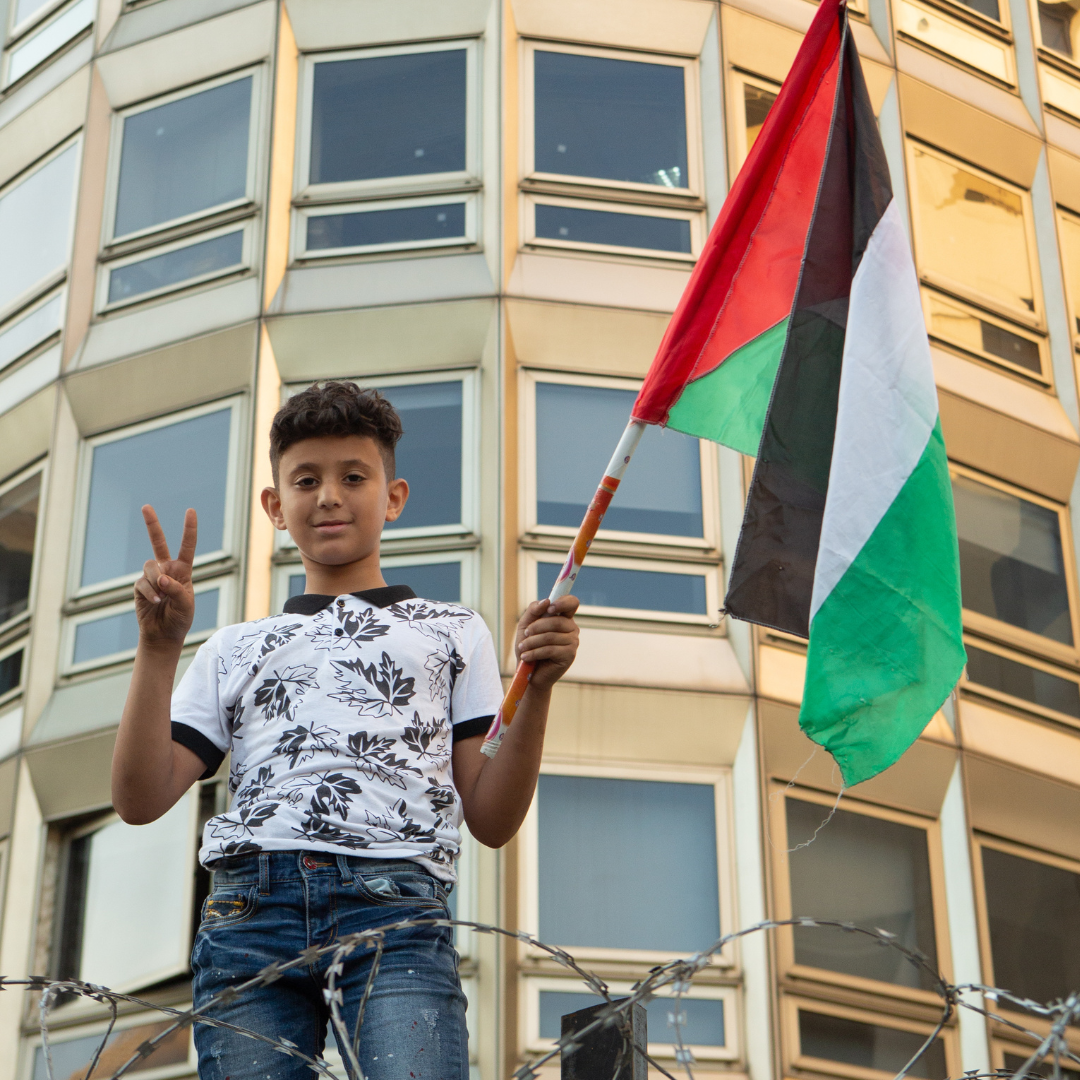
Yes, but…
All these pictures are real and portray Palestinians. Yet, the photographer (and sometimes the people photographed) choose what to highlight—an angle, a setting, a moment. When these are taken out of context or singled out, they can reinforce stereotypes and construct reductive and dehumanising views of who Palestinians are.
👉 Explore more on stereotyping and ethical visualisation.
E. NONE
Yes, but…
All these pictures are real and portray Palestinians. Yet, the photographer (and sometimes the people photographed) choose what to highlight—an angle, a setting, a moment. When these are taken out of context or singled out, they can reinforce stereotypes and construct reductive and dehumanising views of who Palestinians are.
👉 Explore more on stereotyping and ethical visualisation.
F. ALL OF THE ABOVE

You're Right!
All these pictures are real and portray Palestinians. Yet, the photographer (and sometimes the people photographed) choose what to highlight—an angle, a setting, a moment. When these are taken out of context or singled out, they can reinforce stereotypes and construct reductive and dehumanising views of who Palestinians are.
👉 Explore more on stereotyping and ethical visualisation.
2. What representation does this image evoke?

A. It shows that Palestinians are desperate for aid, which is an important reality to portray.
Not really.
While showing the catastrophic humanitarian conditions created by Israeli genocide and blockade is important, there are more ethical ways to do so. This type of imagery dehumanises Palestinians and undermines their dignity and agency while reinforcing a sense of pity rather than solidarity. It does not show or acknowledge the perpetrator in any way. No consent was received from the person portrayed.
The correct answer is B.
👉Explore more on the “humanitarian crisis” narrative and ethical visualisation
B. It portrays Palestinians in a dehumanising way that strips them of dignity and agency.
You're Right!
While showing the catastrophic humanitarian conditions created by Israeli genocide and blockade is important, there are more ethical ways to do so. This type of imagery dehumanises Palestinians and undermines their dignity and agency while reinforcing a sense of pity rather than solidarity. It does not show or acknowledge the perpetrator in any way. No consent was received from the person portrayed.
👉Explore more on the “humanitarian crisis” narrative and ethical visualisation
C. It proves the catastrophic reality created by Israel’s blockade, forced starvation, and genocide.
Not really.
While showing the catastrophic humanitarian conditions created by Israeli genocide and blockade is important, there are more ethical ways to do so. This type of imagery dehumanises Palestinians and undermines their dignity and agency while reinforcing a sense of pity rather than solidarity. It does not show or acknowledge the perpetrator in any way. No consent was received from the person portrayed.
The correct answer is B.
👉Explore more on the “humanitarian crisis” narrative and ethical visualisation
D. It helps mobilise urgency to take action and campaign for humanitarian support.
Not really.
While showing the catastrophic humanitarian conditions created by Israeli genocide and blockade is important, there are more ethical ways to do so. This type of imagery dehumanises Palestinians and undermines their dignity and agency while reinforcing a sense of pity rather than solidarity. It does not show or acknowledge the perpetrator in any way. No consent was received from the person portrayed.
The correct answer is B.
👉Explore more on the “humanitarian crisis” narrative and ethical visualisation
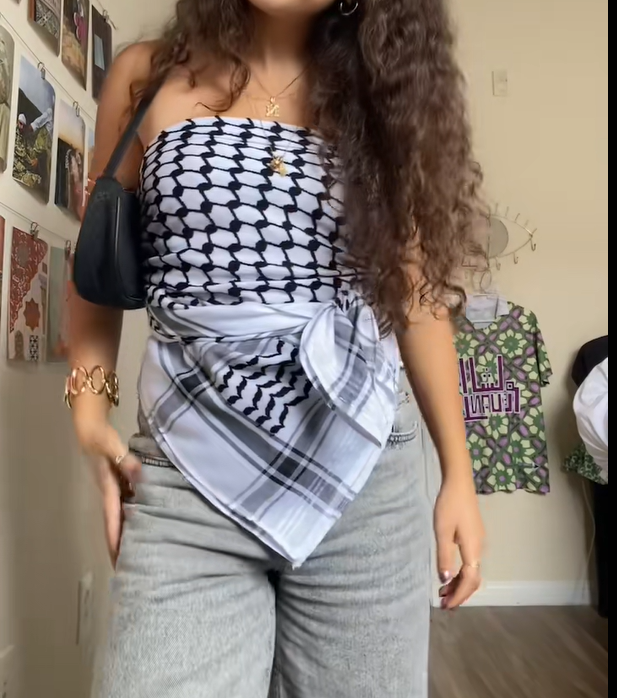
A. It embodies solidarity with Palestine.
Not Quite Right.
Using the keffiyeh—an emblem of Palestinian resistance—as a summer “look” detaches it from its political significance. This image commercialises and exoticises the keffiyeh, transforming it into a consumable aesthetic while ignoring the struggle it represents.
The correct answer is C.
B. It engages political symbols through contemporary cultural expression.
Not Quite Right.
Using the keffiyeh—an emblem of Palestinian resistance—as a summer “look” detaches it from its political significance. This image commercialises and exoticises the keffiyeh, transforming it into a consumable aesthetic while ignoring the struggle it represents.
The correct answer is C.
C. It commercialises/exoticises Palestinian cultural and political symbols.
You're right!
Using the keffiyeh—an emblem of Palestinian resistance—as a summer “look” detaches it from its political significance. This image commercialises and exoticises the keffiyeh, transforming it into a consumable aesthetic while ignoring the struggle it represents.
D. It uses fashion as a medium for political awareness.
Not Quite Right.
Using the keffiyeh—an emblem of Palestinian resistance—as a summer “look” detaches it from its political significance. This image commercialises and exoticises the keffiyeh, transforming it into a consumable aesthetic while ignoring the struggle it represents.
The correct answer is C.
4. What representation does this image evoke?
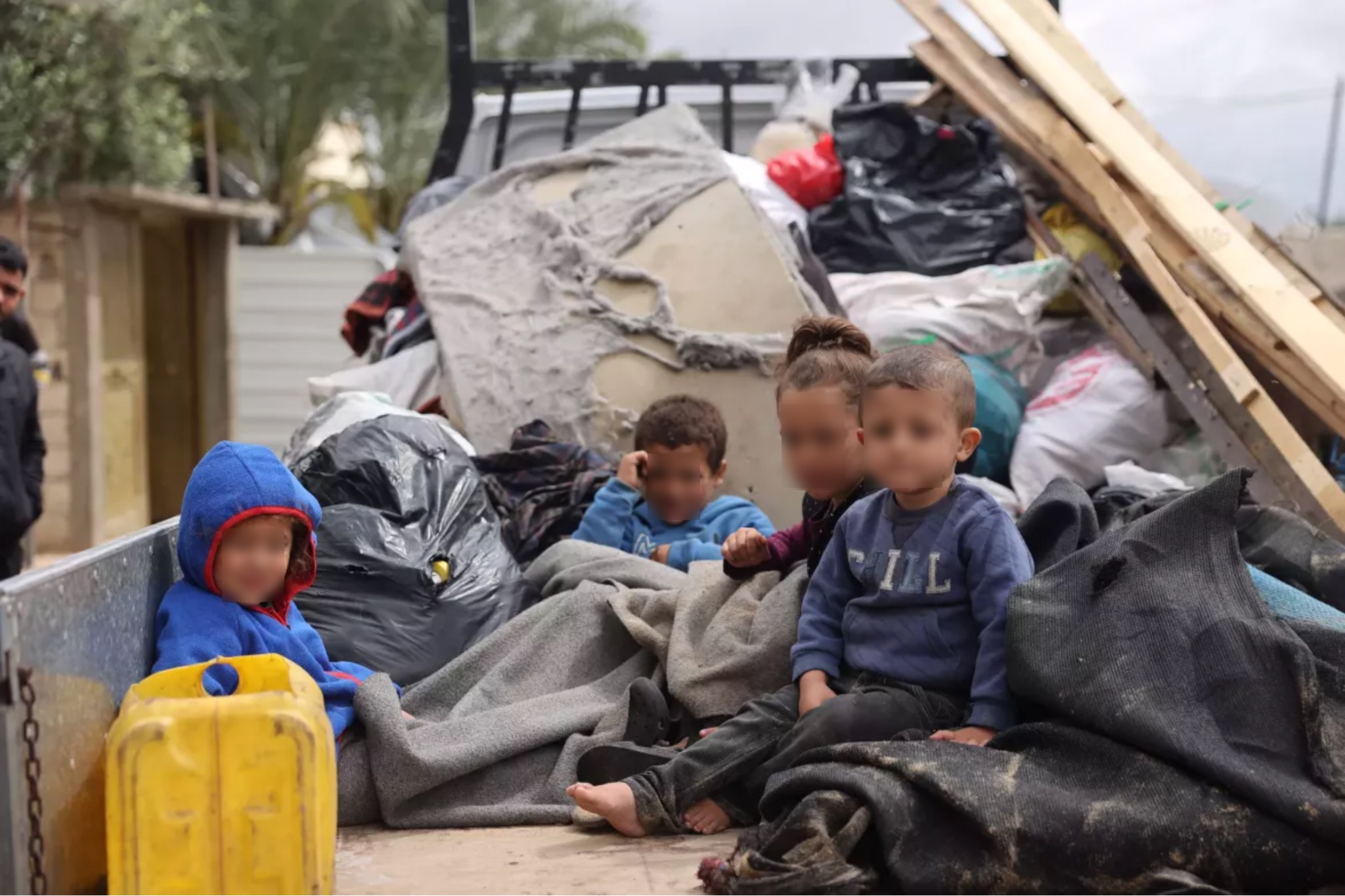
A. It evokes necessary global empathy.
Not really.
While images like this reflect the real suffering caused by Israel’s colonial violence, this image is taken without informed consent and in moments of profound vulnerability. The presence of children makes this even more ethically troubling, as they are reduced to images of victimhood. These representations reinforce dehumanising narratives of Palestinians as helpless and passive, undermining their agency and resistance.
The correct answer is B.
👉 Explore more on stereotyping Palestinians as victims and ethical visualisation
B. It lacks informed consent, dismisses privacy, and undermines the agency and dignity of those portrayed.
You're right!
While images like this reflect the real suffering caused by Israel’s colonial violence, this image is taken without informed consent and in moments of profound vulnerability. The presence of children makes this even more ethically troubling, as they are reduced to images of victimhood. These representations reinforce dehumanising narratives of Palestinians as helpless and passive, undermining their agency and resistance.
👉 Explore more on stereotyping Palestinians as victims and ethical visualisation
C. It highlights the urgent need for international aid and medical support.
Not really. .
While images like this reflect the real suffering caused by Israel’s colonial violence, this image is taken without informed consent and in moments of profound vulnerability. The presence of children makes this even more ethically troubling, as they are reduced to images of victimhood. These representations reinforce dehumanising narratives of Palestinians as helpless and passive, undermining their agency and resistance.
The correct answer is B.
👉 Explore more on stereotyping Palestinians as victims and ethical visualisation
D. It captures raw human suffering and the universal cost of war.
Not really.
While images like this reflect the real suffering caused by Israel’s colonial violence, this image is taken without informed consent and in moments of profound vulnerability. The presence of children makes this even more ethically troubling, as they are reduced to images of victimhood. These representations reinforce dehumanising narratives of Palestinians as helpless and passive, undermining their agency and resistance.
The correct answer is B.
👉 Explore more on stereotyping Palestinians as victims and ethical visualisation
You finished the quiz!
